
Choosing the Best Online Poker Sites for US Players by State
Choosing the best online poker sites for US players starts with your state, not a welcome bonus. A poker room might accept American registrations without holding authorization from your state’s gaming regulator. Another might be licensed locally but offer a smaller player pool or fewer games than you expected.
That distinction affects more than access. It changes which rules apply to your account, where you can play and who can help if a withdrawal dispute occurs. Your shortlist should therefore begin with location and authorization, followed by game availability, costs and payment terms.
Use the state framework below to narrow your options, then verify current approvals before depositing. Online poker legislation, operator launches and interstate arrangements can change independently, so a familiar brand name alone is not enough.
How the best online poker sites for US players depend on location
Three separate questions determine whether a poker room belongs on your shortlist:
- Does your state authorize the activity? Online casino legislation does not automatically mean every form of online poker is available.
- Is the specific operator approved? A brand’s authorization in one state does not extend nationwide.
- Is its real-money poker product operating? An enabling law or casino app does not prove that peer-to-peer poker tables are live.
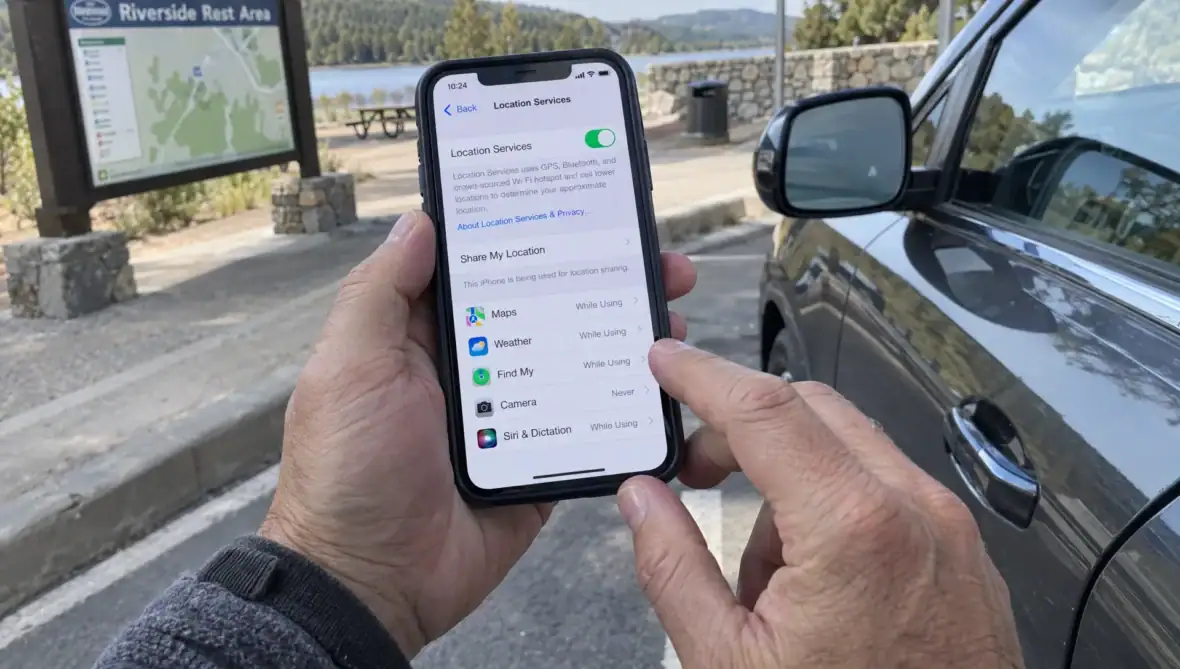
Also distinguish your home address from your physical location. State-regulated poker generally requires you to be physically inside an approved jurisdiction when playing. Residency, account eligibility and identity requirements still need separate checks.
States with established online poker frameworks
The following states have enacted frameworks authorizing regulated online poker. This is a starting point for research, not a live certification of every operator or an exhaustive account of subsequent legislative changes.
| State | Where to verify current information | Practical selection issue |
|---|---|---|
| Nevada | Nevada Gaming Control Board | Look specifically for authorized interactive poker, not a sportsbook license. |
| New Jersey | New Jersey Division of Gaming Enforcement | Match the poker brand and website to the regulator’s approved information. |
| Delaware | Delaware Lottery | Confirm whether a real-money poker product is currently operating, rather than relying on older reviews. |
| Pennsylvania | Pennsylvania Gaming Control Board | Check the approved poker operator and its current player-pool arrangements. |
| Michigan | Michigan Gaming Control Board | Verify the operator, poker availability and interstate participation separately. |
| West Virginia | West Virginia Lottery | Confirm that an authorized operator has actually launched poker. |
| Connecticut | Connecticut Department of Consumer Protection | Distinguish legal authorization from a currently available poker room. |
When comparing the best online poker sites for US players, treat each row as a verification route rather than a promise that any particular app is available today.
If your state is not listed
For California, Texas, Florida, New York and every other state outside this starting list, check the current position with the relevant state authority. Do not infer poker authorization from legal sports betting, land-based cardrooms or online lottery sales.
An offshore site accepting your ZIP code does not establish that playing there is lawful in your state. Likewise, a foreign gaming license does not provide the same protections as authorization from your state regulator.
Keep free-play poker, sweepstakes products and conventional real-money poker separate during research. Their structures, eligibility rules and consumer protections can differ substantially. If the legal position is unclear, obtain qualified advice before funding an account.
Which poker brands should you investigate first?
In states with regulated poker, established brands provide useful research starting points. WSOP-branded poker has operated in Nevada and New Jersey, while PokerStars and BetMGM Poker have operated in New Jersey, Pennsylvania and Michigan. These examples are not an exhaustive or current availability list, and a brand’s presence in one jurisdiction does not establish access elsewhere.
Check each candidate against your state’s current records, then examine the actual poker lobby. A casino app carrying a familiar name may not offer the poker product you want.
The best online poker sites for US players will differ by playing style. A tournament player may prioritize a reliable evening schedule, while a low-stakes cash player needs active tables at an affordable limit.
Rakeback Bible’s US-friendly poker site directory provides additional names to investigate, including offshore options. Treat “US-friendly” as a description of customer acceptance, not a finding of state authorization. Apply the same location, licensing and payment checks to every listing.
Verify authorization before trusting advertising
Start with the regulator’s website rather than a badge displayed in a poker room’s footer. Confirm the operating company, approved brand and relevant domain. Then check that the authorization covers online poker, not merely another gambling product.
Record the complaint procedure before depositing. A state-authorized room should identify its governing rules and escalation route. That gives you somewhere to take an unresolved complaint, although it does not guarantee that every dispute will be decided in your favor.
Advertising deserves separate scrutiny. A recognizable streamer, tournament logo or promotional clip is not evidence of regulatory approval. Creators whose material appears in poker advertising can investigate unauthorized commercial use through Third Chair’s IP monitoring and enforcement services. Players still need to check the advertised operator against official records.
For the best online poker sites for US players, verifiable authorization should carry more weight than testimonials or affiliate rankings. Before uploading sensitive documents, follow a structured process for checking a poker site before sharing your ID.
Compare the games available during your playing hours
A large advertised player count does not necessarily mean good availability at your preferred stakes. Check the lobby during the hours you expect to play and look for active tables, waiting lists and tournament entries.
For cash games, inspect the actual limits and formats. A room with plenty of no-limit Hold’em action might have little activity in pot-limit Omaha. Fast-fold games may suit short sessions, but their rake structure and pace deserve a separate comparison.
Tournament players should examine entry fees, starting times, late-registration periods and re-entry rules. A large guarantee is less useful if the buy-in exceeds your budget or the event regularly finishes after you need to stop.
Interstate agreements can allow participating operators to combine eligible players across states. They do not mean every regulated room shares one national pool. When assessing the best online poker sites for US players, verify which states and products share liquidity on that particular network.
Calculate rewards after rake and bonus conditions
A headline cashback percentage is not enough to establish value. Compare the underlying rake, the amount eligible for rewards and the conditions attached to receiving them.
For example, suppose you pay $100 in eligible rake and receive $15 in unrestricted rewards. Your effective rakeback on that eligible amount is 15%. If part of the advertised reward consists of tournament tickets you will not use, its practical value to you is lower than cash.
| Offer component | What to check | Why it matters |
|---|---|---|
| Base rake | Percentage, cap and applicable game format | Higher charges can outweigh stronger rewards. |
| Reward calculation | Contributed, dealt or another published method | The calculation can affect how much credit your play earns. |
| Deposit bonus | Release rate and qualifying play | The full headline amount may require more play than your budget supports. |
| Expiration | Claim deadline and clearance period | Unreleased value may expire. |
| Restrictions | Eligible games, withdrawal effects and exclusions | Some actions can cancel an uncleared bonus. |
The best online poker sites for US players offer value that survives this calculation, not simply the largest promotional number. Estimate rewards from your normal volume rather than increasing play to reach a tier.
Poker deposit bonuses often clear through qualifying play or rake-related requirements. Do not assume they work like a casino bonus, and never count an uncleared balance as withdrawable cash.
Check the withdrawal route before making a deposit
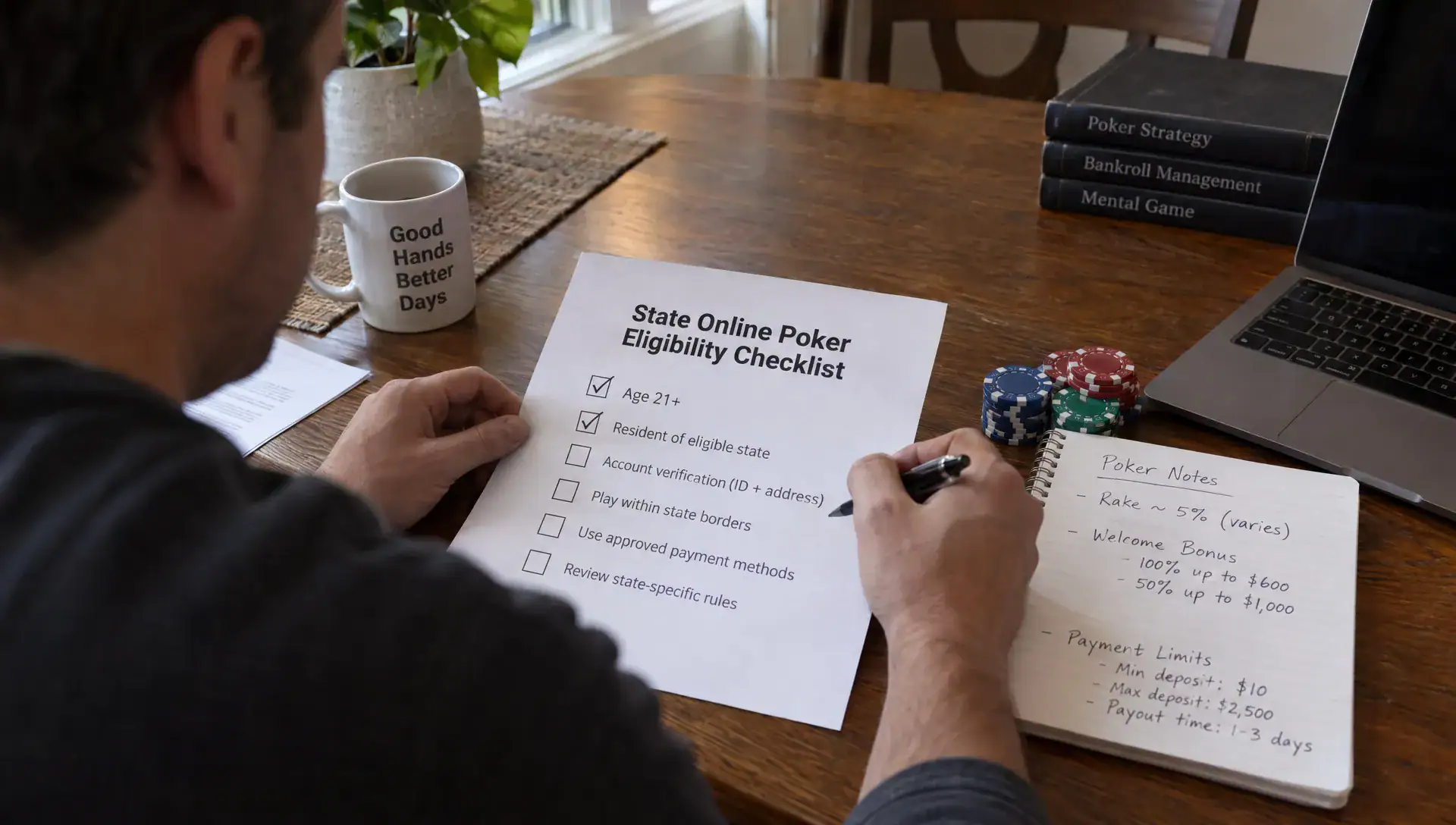
Payment methods can vary by state, operator and account status. Confirm that a method supports withdrawals as well as deposits, then read the minimum, maximum, processing conditions and possible fees.
Identity verification may involve proof of age, address and payment ownership. Use consistent personal information and payment accounts in your own name. If a room requests documents, submit them through its official secure process rather than sending them to an unsolicited social-media contact.
Crypto payments introduce additional risks. Transfers can be irreversible, an incorrect network or wallet address can cause losses and token values may change between deposit and withdrawal. A stablecoin does not remove issuer, network or platform risk. Cryptocurrency also does not eliminate eligibility checks or legal restrictions.
When choosing the best online poker sites for US players, ask what happens if a withdrawal requires further review. Look for a clear support route and published requirements rather than relying on an advertised “instant” cashout.
A modest initial deposit and withdrawal can help you understand the process, although one successful payment does not prove long-term reliability. For a closer look at payment evaluation, use the guide to choosing poker apps for real-money withdrawals.
Plan for state borders, travel and mobile play
Do not assume your account works everywhere because it was opened legally at home. A trip across a state line can change whether you may play, which client you need and which player pool you can access.
Before traveling, check whether the operator requires a separate state account or app, whether balances and rewards transfer and whether your preferred tournaments remain accessible. Shared branding does not guarantee a shared wallet.
Mobile convenience also depends on geolocation. Review supported devices, location permissions and connection requirements before entering a paid event. Being physically inside an eligible state may not prevent a location-verification failure, particularly near borders or when device settings interfere.
Do not use a VPN, remote desktop or location-spoofing tool to bypass restrictions. If verification fails, stop and contact support. Attempting to evade controls can breach terms and lead to account review or closure.
Build a shortlist in the right order
Begin with the legal and operational checks, then compare value. Eliminating an ineligible room early saves time and avoids handing personal information to a site you cannot use.
A practical order is state authorization, operator approval, live poker availability, suitable games, payment terms and total cost after rewards. Only after those checks should app design or a welcome promotion influence the decision.
For the best online poker sites for US players, support quality is also worth testing before depositing. Ask a specific question about your state, preferred payment method or bonus eligibility. A useful response should address the question rather than redirect you to a promotion.
Finally, choose a room whose limits fit your entertainment budget. Check for deposit limits, time-management tools and self-exclusion options. Rewards do not make poker risk-free or turn expected losses into dependable income. Keep gambling funds separate from essential expenses and do not raise stakes to recover losses or clear a bonus.
Frequently asked questions
Is real-money online poker legal throughout the United States? No nationwide answer applies to every state and product. Several states have authorized regulated online poker, but operator approval and actual availability require separate checks. Acceptance by an offshore room does not establish state authorization or legality.
Do I need to live in a state to play regulated online poker there? Physical presence is generally central to eligibility, but residency and account requirements vary. Check the operator’s rules before traveling, registering or depositing. Do not assume that permission to create an account also permits real-money play.
Which room is best for an American beginner? The best online poker sites for US players who are learning should first be eligible for their location. Then prioritize affordable stakes, clear fees, understandable software and spending controls. Free-play tables can help you learn the interface without risking money.
Does interstate poker let me play from any state? No. Shared player pools connect eligible customers under specific arrangements. They do not remove state boundaries, operator eligibility rules or geolocation requirements.
Is a crypto poker room safer because it does not use a bank? No. Payment technology does not establish licensing, fairness, solvency or withdrawal reliability. Evaluate the operator separately, and account for irreversible transfers and any cryptocurrency-related risks.
Compare eligible rooms before chasing an offer
Choose the rooms you can properly access first, then compare the games and rewards you will actually use. Rakeback Bible’s reviews, deal comparisons and poker resources can help you examine the commercial differences. Confirm current state approval and operator terms independently before opening or funding an account.
Author